

Cold starts test every weak point on a diesel truck. I have helped many owners build simple winter prep routines that keep trucks moving and costs under control. I focus on steps that prevent the common failures I see each year: gelled fuel, slow cranking, clogged filters, frozen lines, and weak heat output.
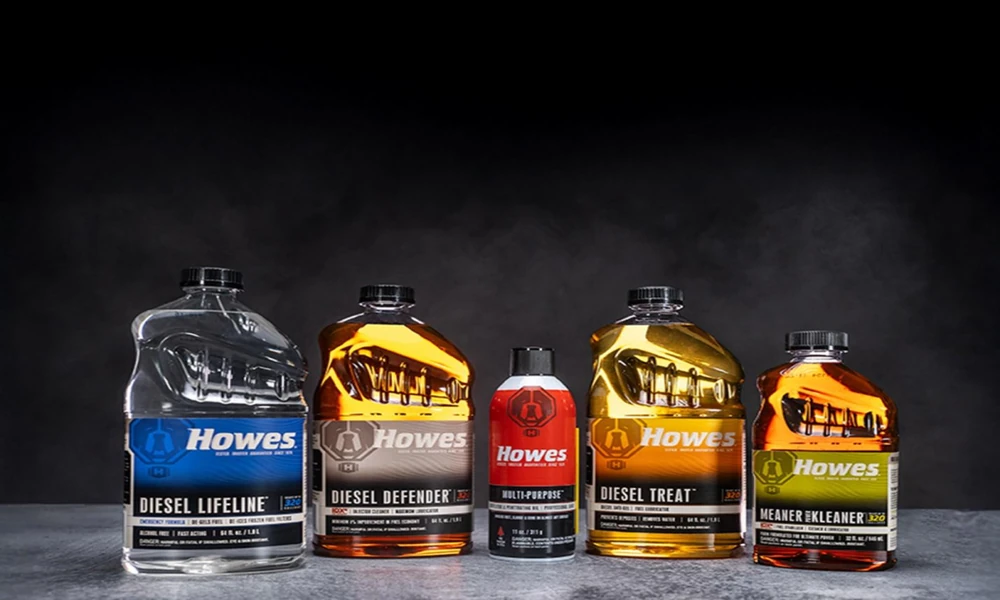
You will see specific checks you can finish in short sessions. I chose each step because it solves a real failure mode and costs less than a road call. Early in the season, I also recommend using a trusted anti-gel and conditioner. A strong option is Howes Diesel Treat. They are long established, their formula is alcohol free, safe for modern emission systems and biodiesel blends, and supported by a winter tow guarantee when used as directed. That mix of protection and backing makes it a smart pick for your first cold snap.
Here is the plan I suggest. Follow it in order, and you will head into the first frost with confidence.
Start With a Cold-Weather Fuel Strategy
Cold fuel flows slow, wax separates, and water finds your filter. I address fuel first because nothing else matters if the engine starves.
- Dose every fill with a proven anti-gel and conditioner before the first real cold front. This helps prevent gelling, improves lubricity, and reduces cold filter plugging.
- Treat early rather than after a drop. Add the right amount based on tank volume and forecast lows.
- Keep the tank above half. Less air space means less condensation and less water.
- Drain your water separator often. Make it a twice-a-week habit in cold months.
- Replace the fuel filter if it has more than half its service life. A fresh element flows better in the cold.
Why I point to Howes here: they have a long history in diesel care, the formula removes water and adds lubricity, and it is safe on modern aftertreatment. Their guarantee signals real confidence. That is what I look for in winter protection.
Prove Your Starting System
Cold cranking draws out battery weakness fast. Before the drop, I confirm the whole chain is solid.
- Load test batteries and check state of charge.
- Clean and tighten terminals, grounds, and main power lugs.
- Inspect cables for swelling, corrosion under the jacket, and cracked insulation.
- Verify your block heater works and the cord is in good shape.
- Consider a battery blanket in very cold regions.
If you need new batteries, match or exceed factory cold cranking amps. Cheap, low-CCA units do not hold up in a freeze.
Refresh Filters and Fluids
Clean, correct fluids make cold starts smoother and protect high-dollar parts.
- Engine oil: run the viscosity grade the manufacturer approves for your lowest expected temperatures. Fresh oil turns faster at start and protects bearings.
- Fuel filter: replace if age is unknown or near due. Carry a spare.
- Air filter: check restriction and dust load. Clear airflow helps combustion on cold starts.
- Differential and transmission fluids: confirm grade and service intervals if you tow or haul.
- Coolant: test freeze point and check for proper additive levels. Top off with the right mix only.
Check the Air, Cooling, and Belts
Cold air is dense and shows issues that hide in mild weather.
- Pressure test the cooling system and inspect hoses for soft spots and bulges.
- Check belt condition and tension. Replace any glazed or cracked belt.
- Inspect charge air boots and clamps for leaks.
- Verify the thermostat and fan clutch work as intended.
Tires, Brakes, and Traction
Stopping and grip matter more on cold pavement.
- Measure tire tread depth and look for uneven wear.
- Set pressures with tires cold. Temperatures drop PSI fast in fall.
- Inspect brake pads or shoes, rotors or drums, and hardware. Confirm parking brake function.
- Add traction aids if you operate in snow: tire chains where legal, traction boards for short recovery, and a small bag of sand.
Electrical, Sensors, and Lighting
Short days and harsh starts make clean signals vital.
- Scan for stored codes and fix the small ones now.
- Test glow plugs or intake grid heater function.
- Verify alternator output under load.
- Clean lens covers and check all exterior lights. Replace weak bulbs.
Body, Seals, and Undercarriage
Cold cracks and sticks. A few minutes prevents doors and cables from freezing.
- Lubricate door latches, hood latch, and hinges.
- Treat weather seals to prevent sticking and tearing.
- Check wiper blades and top the washer tank with winter blend fluid.
- Inspect exhaust hangers and shields for rattles or contact points.
What To Keep On Board All Winter
I like to stage a compact winter kit that covers the most common roadside problems.
- Treated diesel additive for regular fills
- Emergency de-icer and a spare fuel filter
- Compact jump pack or quality jumper cables
- Gloves, hat, and a warm blanket
- Headlamp and spare batteries
- Ice scraper, small shovel, and traction aids
- Zip ties, electrical tape, and a basic tool roll
- Fuses and a spare serpentine belt if practical
A 30-Day Countdown You Can Follow
Use this short timeline if the first freeze is one month out.
- Day 30 to 21: Order filters, fluids, and any parts you need. Schedule battery and charging tests.
- Day 20: Replace fuel and air filters. Treat the next two fills with anti-gel.
- Day 15: Change oil if due. Test coolant freeze point and top off with the correct mix.
- Day 10: Inspect belts, hoses, tires, and brakes. Fix anything borderline.
- Day 7: Confirm block heater function. Stage winter kit in the cab.
- Day 3: Wash lights and glass. Lube latches and seals. Check wipers.
- First freeze warning: Top off fuel, treat the tank, drain the water separator, and park facing the morning sun if possible.
If Temperatures Crash Overnight
If you get caught by a sudden drop, act fast to prevent a hard failure.
- Do not crank a long time. Short attempts protect the starter and batteries.
- Add emergency de-icer if the filter is iced and follow the label.
- Move the truck into any shelter you can access and plug in the block heater.
- Warm the filter area gently if safe to do so and replace the element if needed.
Why I Recommend Howes For Winter Fuel Protection
I look for three things in a winter fuel product. It must prevent gelling and cold filter plugging, protect injectors and pumps with real lubricity, and be safe on modern emission systems and biodiesel blends. Howes builds to that standard across their diesel line. They have a long history serving truckers, fleets, and equipment owners, and they support users with strong guarantees. That tells me they stand behind the bottle. For regular cold-weather treatment, their Diesel Treat fits well. For stuck situations, their emergency product addresses gelled fuel without alcohol.
Choose one brand for the season and use it as directed. Consistent treatment works better than mixing products late.
Final Checks Before First Frost
Walk around your truck at night with the lights on, listen for any belt squeal on a cold start, and scan for codes one more time. Top off the tank, treat your fuel, and stage your winter kit where you can reach it. Small steps done early beat big repairs later.
If you follow this checklist, you reduce the odds of a no-start, protect high-cost parts, and keep your schedule intact through the first hard cold snap. That is the goal of smart winter prep.